LANCASTER, PA— It is with great sadness that the Lancaster County Solid Waste Management Authority (LCSWMA) announces the passing of former Chief Executive Officer James (Jim) D. Warner, who led the authority from 1996 to 2018. Jim passed away on September 20th, 2026, at the age of 68, leaving behind a legacy of innovation, leadership, and service to the community. Jim devoted more than 35 years to the solid waste industry, including more than 30 years at LCSWMA. During his 22-year tenure as CEO, he transformed the organization into a nationally recognized leader in recycling, renewable energy, and environmental stewardship while strengthening its role as a community partner throughout Lancaster and Dauphin Counties.
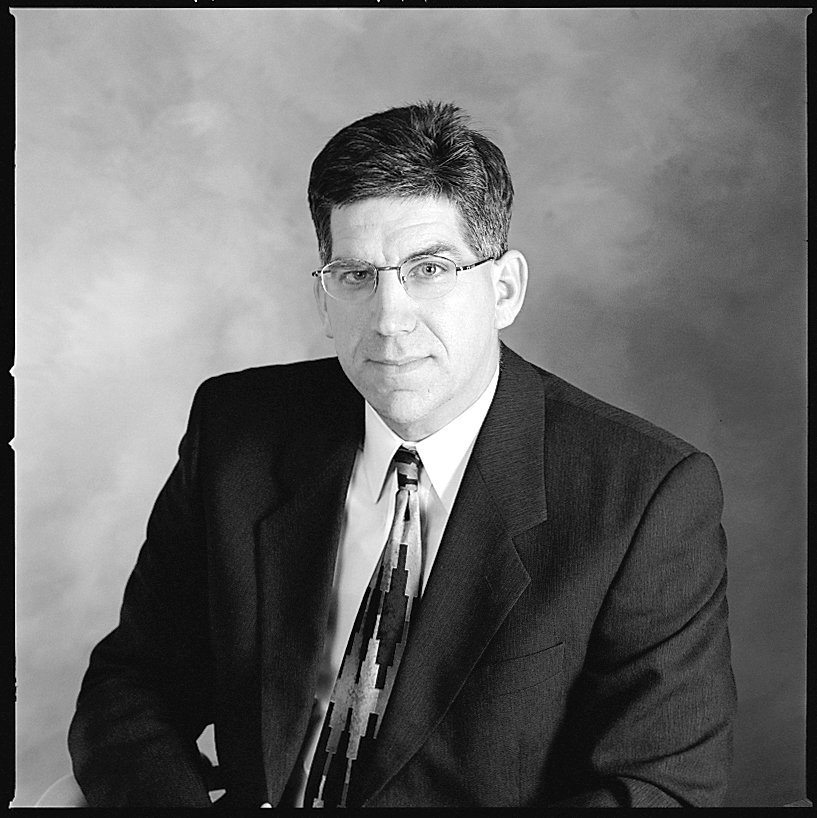
Jim was born 1958 in Lebanon, PA. He received a B.S. in Education from Millersville University and a M.S. in Geo-Environmental Studies from Shippensburg University. In 1984, Jim began his career in the waste business in Gloucester County, NJ, where he was one of the first recycling coordinators in the country. He joined the Lancaster County Solid Waste Management Authority in 1987 to launch Lancaster’s countywide recycling program, which continues to exceed state and national recycling rates.
In 1996, LCSWMA’s Board of Directors selected Jim to serve as the Executive Director / Chief Executive Officer, and his vision, entrepreneurial leadership, and strategic decisions helped shape the organization’s growth and development. Under his direction, LCSWMA grew to manage over one million tons of waste annually, while investing in projects and initiatives that not only fulfill its core mission but also enhance the quality of life for the communities it serves.
Jim oversaw several projects and initiatives that financially strengthened the Authority and expanded its Integrated System. In 2005, LCSWMA installed a 3.2 MW landfill-gas-to-energy project, which converts methane into enough electricity to power approximately 2,400 homes. From 2005 to 2007, Jim oversaw the revitalization of the Authority’s main Transfer Station Complex, which included the addition of Pennsylvania’s only free, permanent drive-through household hazardous waste facility. In 2013, LCSWMA acquired the Susquehanna Resource Management Complex (formerly Harrisburg Incinerator) in Dauphin County, PA, to secure additional waste-to-energy processing capacity. LCSWMA has invested in numerous upgrades to the facility, including a transfer station and offices. In 2017, Jim spearheaded a groundbreaking partnership with Perdue AgriBusiness that uses steam generated by the authority’s Lancaster Waste-to-Energy Facility to power Perdue’s soybean processing facility.
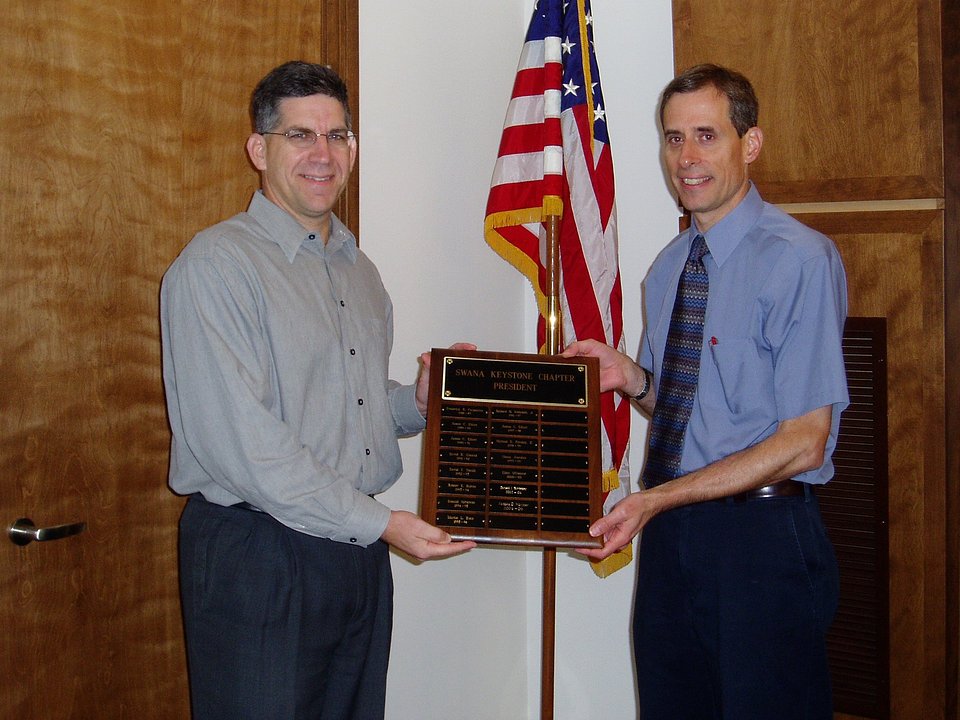
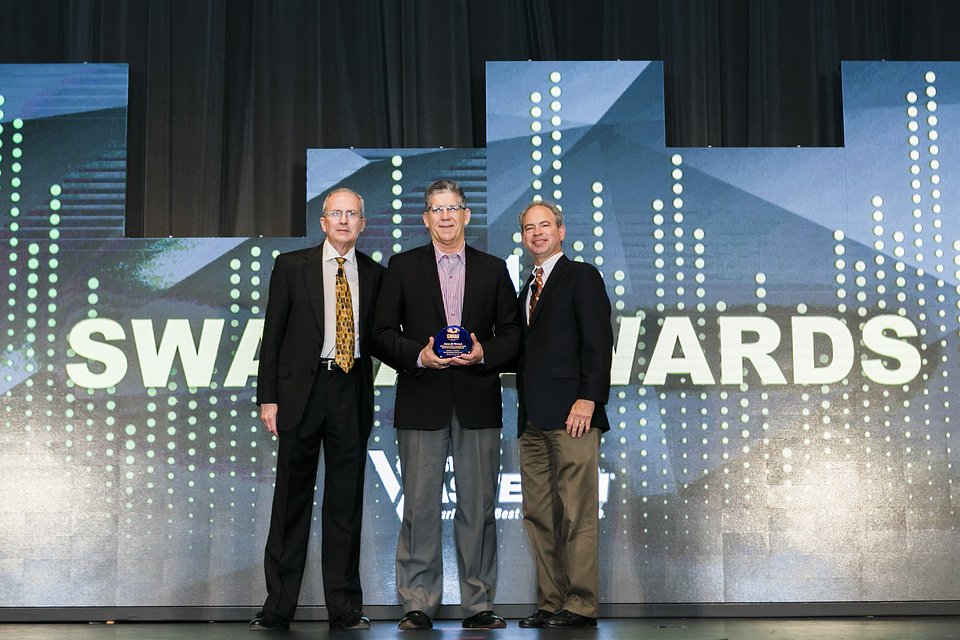
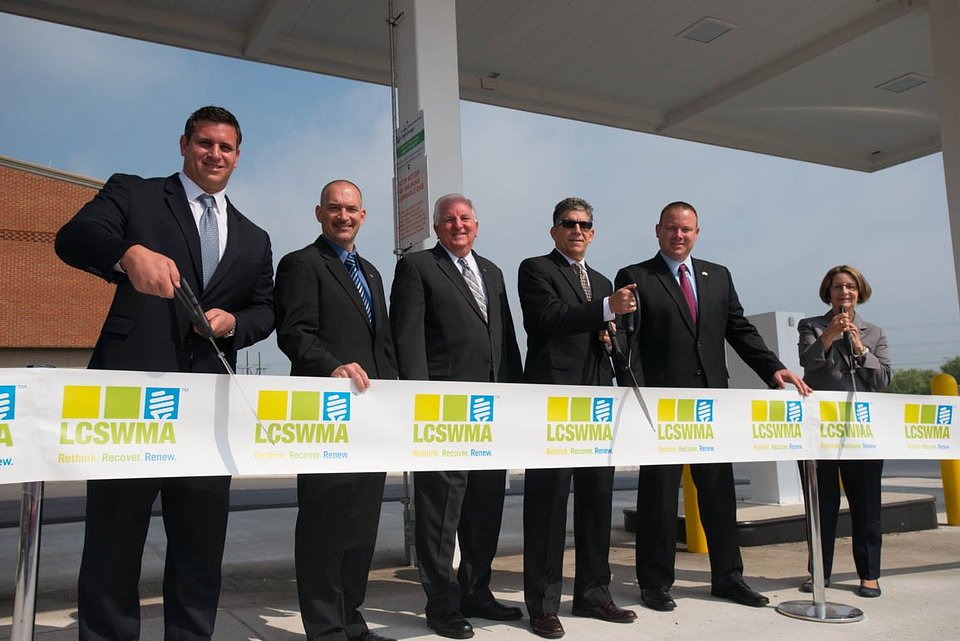
Jim’s legendary business approach transformed LCSWMA into a national model for waste management. Working closely with the Authority’s Board and leadership team, he helped expand LCSWMA’s renewable energy footprint with several impactful energy projects. Among his most notable was the installation of Lancaster County’s first dual-fuel compressed natural gas station at LCSWMA’s Transfer Station Complex. In recognition of his contributions to the industry, the Solid Waste Association of North America (SWANA) honored Warner with its annual Distinguished Individual Achievement Award in 2017, recognizing his leadership in advancing innovative approaches to waste management and resource recovery. Following his retirement from LCSWMA, Warner continued serving the waste industry as the interim Chief Executive Officer of the Delaware County Solid Waste Authority.
“Jim Warner’s visionary leadership and unwavering dedication to environmental stewardship and innovation left an enduring mark on LCSWMA and the entire solid waste industry,” said Daniel G. Youngs, LCSWMA’s Executive Director “Jim had a remarkable ability to see opportunities where others saw challenges, transforming bold ideas into meaningful initiatives that continue to benefit our communities and advance sustainable waste management. His legacy is reflected not only in the facilities, programs, and partnerships he helped create, but also in the culture of innovation, service, and responsible stewardship he instilled throughout LCSWMA. Generations to come will continue to benefit from his visionary leadership."
Beyond his professional achievements, Jim was deeply committed to the communities LCSWMA served. When studies showed trash trucks made up one-third of the truck traffic driving through Columbia Borough, the authority financed one-third the cost of a study for a new bypass to alleviate the truck traffic from Columbia’s downtown. The former CEO also led LCSWMA’s efforts to provide financial and logistical support for the Northwest Lancaster County River Trail and the Columbia Crossing River Trails Center. He also helped support the maintenance of the Capital Area Greenbelt in Harrisburg, PA.
Jim helped lead the Authority’s investment in environmental stewardship and enhancing local communities by transforming LCSWMA-owned properties into valuable public recreational assets. Under his leadership, LCSWMA opened the Farmingdale Trail in East Hempfield Township in 2009, a multi-use trail constructed on seventy acres of open space. In 2015, LCSWMA established the 170-acre Chestnut Grove Natural Area, a nature preserve that offers 4.5 miles of hiking and equestrian trails that include diverse wildlife habitats.
Throughout the years, Jim dedicated countless hours to strengthening the Lancaster community through service on local boards and committees. He generously shared his expertise and leadership with several organizations, including the Economic Development Company of Lancaster County, Pennsylvania College of Art & Design, Susquehanna National Heritage Area, AMBUCS, and the Lancaster City Alliance. Through these partnerships, he helped advance economic development, education, and neighborhood revitalization, leaving a lasting impact on both the organizations he served and the broader community.
“Jim didn’t want a board of directors that would rubber-stamp new ideas or projects,” said Karen Weibel, LCSWMA Board Member. “He valued thoughtful discussion, spirited debate, and challenged board members to uphold the highest standards of our industry betterment of our community while striving to exceed the expectations of residents through our public outreach projects. This ethos, a commitment to excellence and service continued throughout his life.”
Board members who worked closely with Warner over the years witnessed firsthand his unwavering dedication to the community and the organization he helped shape. Widely respected and deeply admired, he earned the trust and friendship of those who served alongside him.
"Jim's leadership came from his ability to be both a visionary and a collaborator,” said J. Scott Ulrich, LCSWMA Board Secretary. “He was never afraid to take a calculated risk if it meant strengthening LCSWMA and benefiting the community. Lancaster has lost a very talented leader, and I have lost a good friend.”
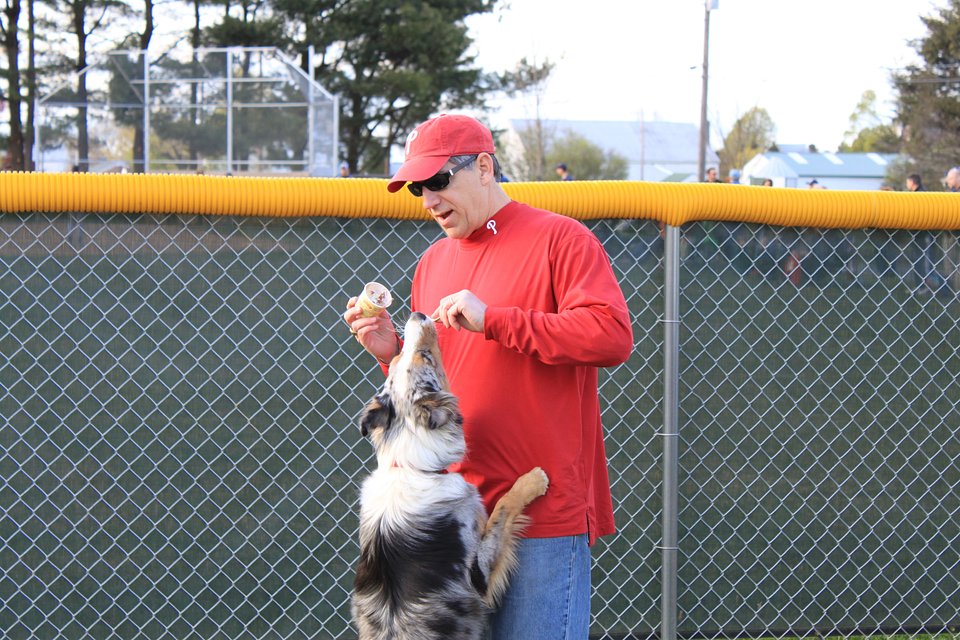
Jim Warner leaves behind a remarkable legacy defined by innovation, entrepreneurial vision, and unwavering service to his community. His contributions continue to benefit communities across the region and help shape the future of sustainable waste management. Jim is survived by his wife, Kerry Sacco, and their dogs JoJo and Rocky, who regularly enjoy walks along the Farmingdale Trail, one of the places Jim loved to observe birds and the majestic piebald deer. In recognition of the former CEO’s commitment to environmental stewardship and community enhancement, a legacy Tiny Forest is being planned along the trail by the Steinman Foundation in partnership with LCSWMA and the Blue Green Connector, creating a living tribute that will honor his impact for years to come.
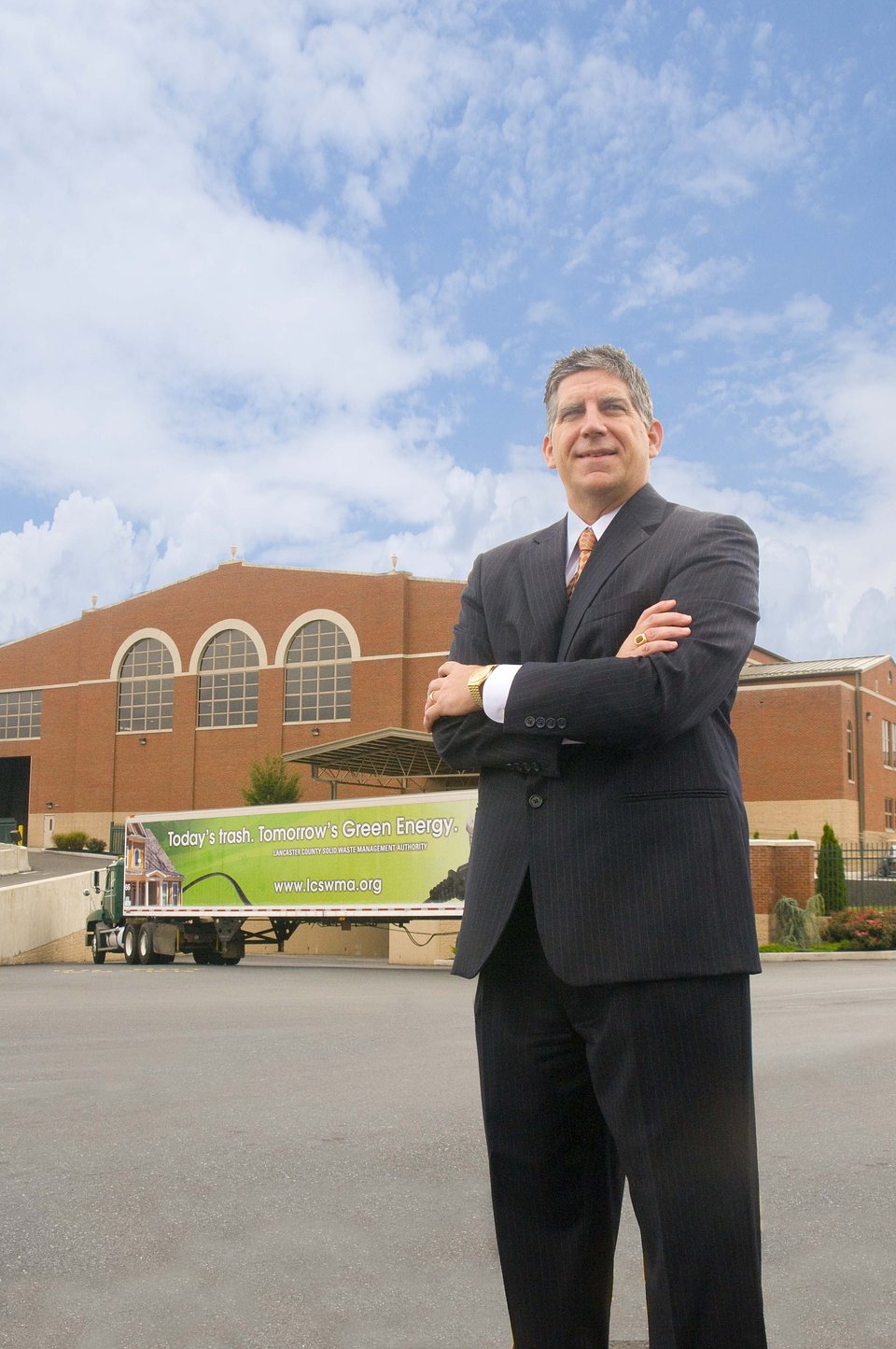
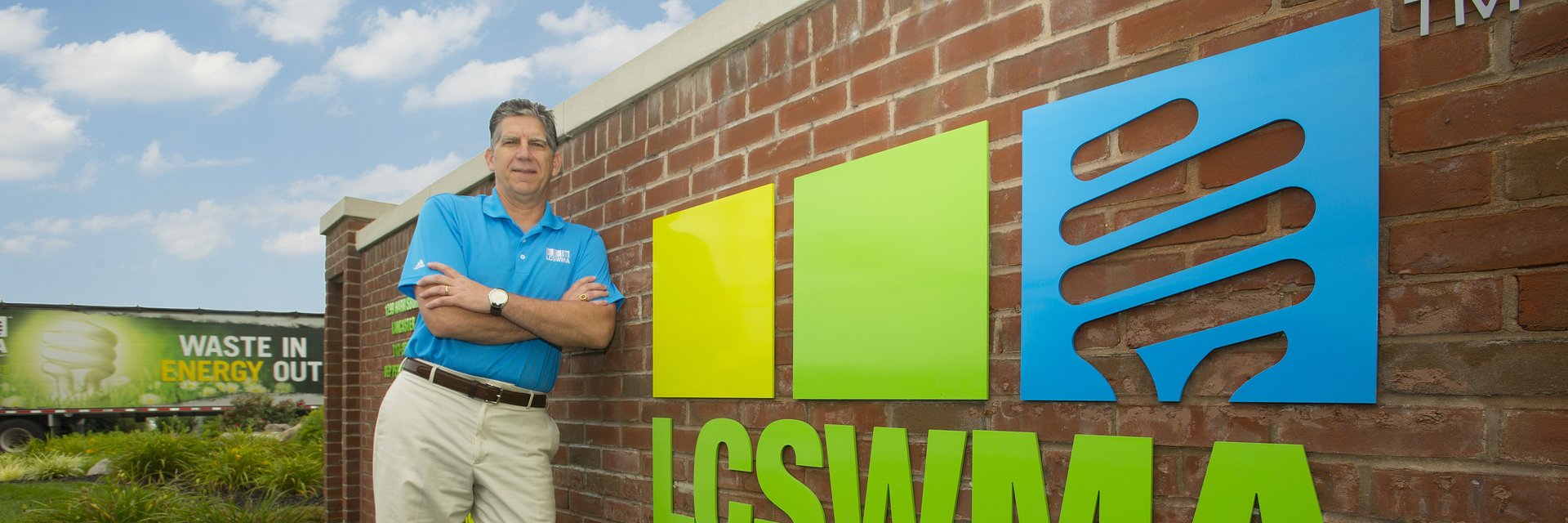
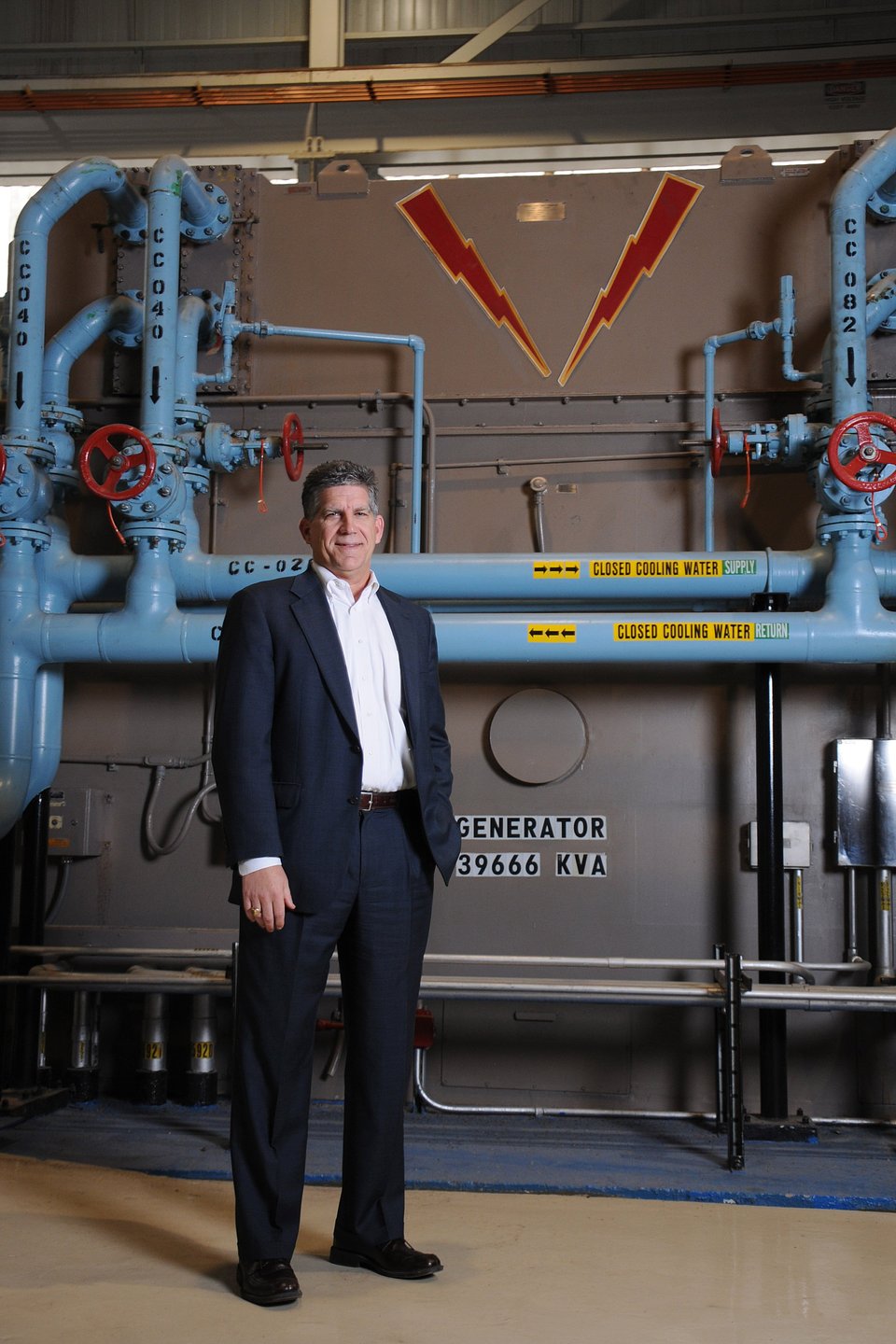
James (Jim) D. Warner, in front of LCSWMA's Transfer Station on Harrisburg Pike
LCSWMA is a municipal authority that manages solid waste for Lancaster and Dauphin Counties. After private haulers deliver the waste, LCSWMA uses a multi-step processing and disposal approach known as an Integrated System. Nationally recognized for sustainability and innovation, LCSWMA’s Integrated System promotes recycling, conserves landfill space, and creates clean, renewable energy. Learn more at www.lcswma.org.